Made to Teach SVG: A Versatile Graphic Design Asset for Crafts and Creative Projects
As a graphic designer with years of experience working on real client projects—from brand identities for small handmade businesses to social media campaigns for digital sellers—I often come across design assets that promise versatility but fall short in practical application. Made to Teach SVG is one such asset I recently reviewed, and while it doesn’t scream minimalism or high-end corporate branding, it brings a warm, approachable charm that fits well within the creative marketplace.
A Warm and Educational Vibe That Works Well in Crafts
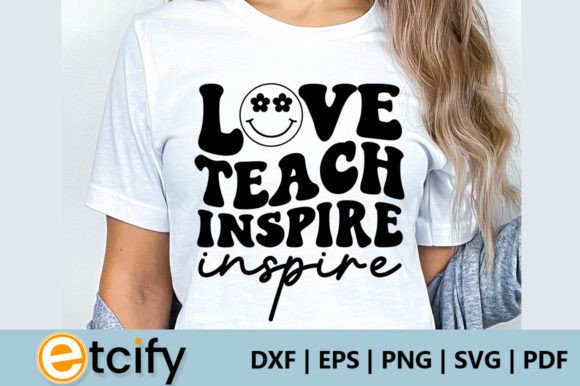
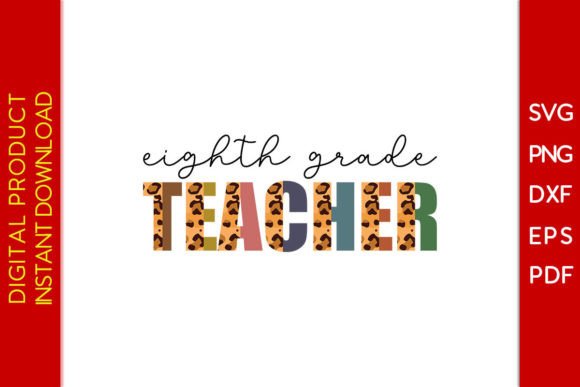
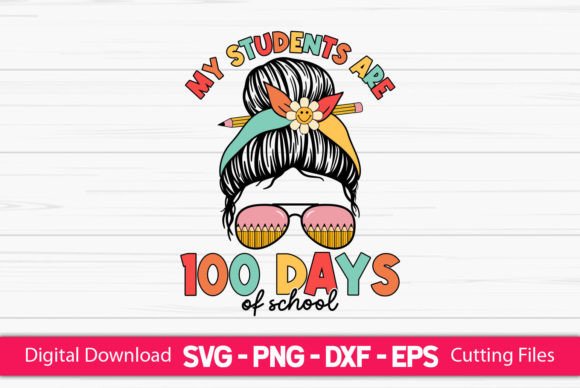
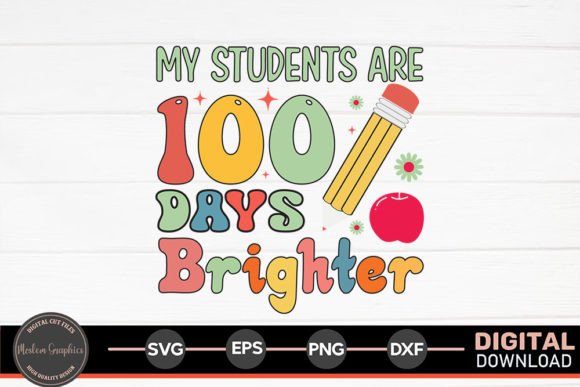
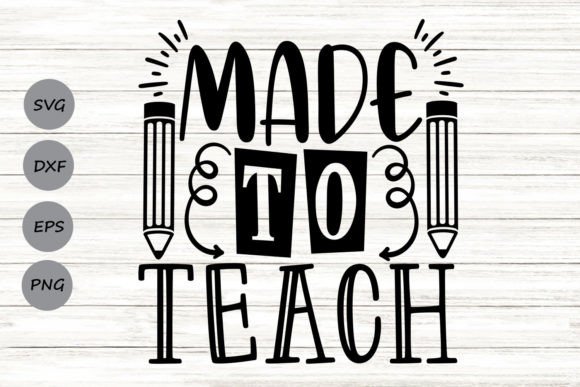
The first thing that struck me about Made to Teach SVG was its visual tone. It’s clearly designed with a focus on education and appreciation, making it ideal for teachers, schools, and learning-focused brands. The line art feels hand-drawn yet clean, with soft curves and playful elements that evoke a sense of creativity and care. This style naturally aligns with crafts like Cricut projects, sticker design, and printable wall art where personality and warmth are key selling points.
For a client project—like an Etsy shop focused on teacher gifts or a print-on-demand business selling motivational posters—the mood created by these files can add just the right amount of character without overwhelming the layout. It’s not a heavy or overly stylized asset, which makes it surprisingly adaptable to both modern and traditional aesthetics.
Real-World Application Across Multiple Design Areas
I tested Made to Teach SVG in several common use cases for digital and physical products. Here’s how it performed:
- Logo Design: Not the best fit. While it works as a supporting element, it lacks the boldness needed for a standalone logo. However, it can be used creatively in mascot-style logos for educational startups or boutique learning centers.
- Brand Identity: Great for adding whimsy to supporting brand elements. Think badges, icons, or small illustrations that complement a more structured visual system.
- Product Labels and Packaging Design: Perfect for handmade product lines or packaging for educational toys and tools. The SVG adds a personal touch that can enhance brand trust and emotional appeal.
- Posters and Flyers: Performs well in large layouts. Its simplicity allows it to scale beautifully and maintain clarity even when printed at larger sizes.
- Invitations and Stickers: These SVGs bring a friendly, engaging feel to event invitations and sticker designs. Especially useful for school-related events or family-oriented campaigns.
- T-Shirt and Merchandise Design: Ideal for casual wear, especially if the target audience values humor, sentimentality, or inspiration related to teaching and learning.
- Website Graphics and Blog Visuals: Adds a nice decorative layer to content blocks or headers. It’s subtle enough to avoid clashing with other elements but still draws attention effectively.
- Social Media Graphics: Particularly strong in Pinterest pins and Instagram posts. The design helps create shareable, visually appealing content that resonates with educators and parents alike.
- Cricut Projects and Canva Templates: Being compatible with cutting machines and design software is a big plus. The file formats (SVG, DXF, PNG, EPS) ensure flexibility whether you're slicing vinyl or embedding into a template.
Where Made to Teach SVG Shines Brightest
Here are some scenarios where Made to Teach SVG truly excels:
- Large Layout Areas: The design reads best when given space. Use it as a hero graphic in posters or as a background element in editorial spreads.
- Themed Collections: If your project is centered around gratitude, education, or teacher appreciation, this asset becomes a natural fit.
- Printable Designs: Whether it's a printable thank-you card or a wall decal, the SVG maintains quality and legibility across different mediums.
- Supporting Brand Elements: As a secondary design component, it enhances the overall look without taking away from the main message or logo.
When to Use Made to Teach SVG with Caution
While versatile, there are limitations to consider before integrating Made to Teach SVG into every project:
- Small Sizes: Details may become lost when scaling down for buttons or micro-icons.
- Crowded Layouts: In complex compositions, this SVG could get buried under too many elements.
- Low-Contrast Backgrounds: Test it against various color schemes. It might struggle to stand out on muted tones or gradients.
- Minimalist Branding: For clients who prefer sleek, no-nonsense visuals, this SVG might feel too informal or busy.
- Professional Corporate Materials: Unless the brand has a very human-centric approach, the style may not align with the desired tone of professionalism.
How Made to Teach SVG Impacts Readability and Visual Hierarchy
In terms of readability, the SVG performs adequately when paired with clear typography. I compared it with serif, sans-serif, script, handwritten, and display fonts. The best combinations were with rounded sans-serif or script fonts, which matched the organic feel of the illustration. However, using it alongside sharp or angular typefaces can create a disconnect in the visual language.
It’s important to note that Made to Teach SVG should never be the primary visual driver in a design. Instead, it functions better as a supporting player. When layered beneath text or placed in corners, it helps guide the viewer’s eye without competing for attention. But in a minimalist or information-heavy layout, it can disrupt the intended visual hierarchy if not managed carefully.
Design Consistency and Emotional Appeal
One of the strengths of this asset is its ability to unify a collection of graphics. For a seasonal campaign celebrating Teacher Appreciation, I found that incorporating multiple SVGs from the same design bundle helped establish a cohesive theme. The consistent linework and color palette made it easier to maintain brand identity across t-shirt design, mug prints, and tote bag mockups.
Emotionally, the design evokes positivity and nostalgia. This can be powerful for audiences seeking comfort and connection, especially in the context of handmade businesses or local events. It’s a great way to inject personality into marketing visuals or blog content aimed at educators or students.
Practical Designer Notes Before Using Commercially
Before committing to using Made to Teach SVG for a client project, here are some things I recommend checking:
- Test in Black and White: The tonal contrast holds up fairly well in grayscale, though some details may fade slightly.
- Check Contrast on Light and Dark Backgrounds: Ensure legibility and visibility across all variations, especially if the final output includes digital ads or dark-themed web banners.
- Preview at Small and Large Sizes: Confirm it scales appropriately without pixelation or distortion.
- Place on Real Mockups: Try it on product mockups to see how it looks in context. I used it on a coffee cup and noticed the design felt more impactful than it did on flat screens.
- Test Print Quality: Look for any issues with registration or detail loss when printed on merchandise.
- Review File Formats: The SVG format is editable in most vector programs, but also check the PNG transparency for digital use. The DXF and EPS versions are solid for production work.
- Confirm Commercial Licensing: Always verify licensing rights before using any SVG for commercial design. With proper permission, this can be a valuable addition to your creative toolkit.
Why It Could Be a Useful Creative Asset
Despite its niche positioning, Made to Teach SVG is a thoughtful graphic design asset that offers a lot of mileage in the right hands. It bridges the gap between professional and personal styles, making it suitable for both commercial design and craft-based projects. Whether you're creating a sublimation design for a teacher gift line or developing a Canva template for an online course launch, this asset brings a level of polish and intentionality that’s hard to achieve with generic clipart or illustrations.
Its strength lies in its usability. You don’t need advanced skills to make it work, but you also won’t feel limited by it. The files are ready to be used with any cutting machine or program that supports SVG, which means faster turnaround times for clients needing quick, impactful results.
Final Thoughts for Designers and Digital Sellers
If you’re looking for a design asset that adds a human touch without being too over-the-top, Made to Teach SVG could be a great fit. It’s particularly effective in crafting a visual mood for handmade businesses, educational startups, or any project that benefits from a warm, relatable aesthetic.
However, don’t assume it will work everywhere. Like any good graphic design asset, it needs to be considered in the context of the full visual strategy. Use it wisely in large layout areas, hero graphics, and themed collections, but tread carefully in small sizes or high-contrast environments where clarity is paramount.
Ultimately, Made to Teach SVG isn’t just another set of graphics—it’s a tool that can elevate the emotional appeal and visual consistency of your next creative project. Just remember to test, adjust, and always confirm the commercial license before going live with client work.