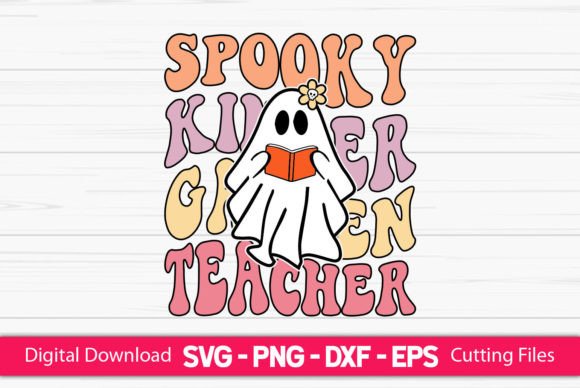
Spooky Kindergarten Teacher Embroidery Design Review
As an experienced embroidery designer and product reviewer, I often find myself evaluating digital designs like Spooky Kindergarten Teacher for their usability in real-world projects. This design isn’t just a cute Halloween character—it’s a versatile machine embroidery file that can add charm to various handmade products. Let’s dive into how it stands up under the scrutiny of practical use.
First Impressions: A Playful Yet Professional Vibe
The Spooky Kindergarten Teacher SVG design immediately caught my eye with its whimsical yet clean layout. The character is stylized with exaggerated features—think oversized glasses, a crooked hat, and a mischievous grin—that scream “fun” without feeling overly childish or unrefined. The color palette includes warm oranges, deep purples, and contrasting black outlines, which makes it ideal for both light and dark fabric backgrounds when using appropriate thread colors.
What stood out most was the balance between detail and simplicity. It has enough visual interest to be eye-catching but not so much that it becomes overwhelming for beginners or tricky for machines to handle. As an applique design, it feels ready to stitch with well-defined edges and a clear focal point.
Theme and Layout for Real Projects
This design would naturally fit into themed items like custom sweatshirts, tote bags, or even nursery decor with a spooky twist. Its layout is centered, making it easy to position on garments or home décor items. For craft business owners or Etsy sellers looking to create personalized gifts or seasonal products, this could be a great asset for holiday embroidery around October or as part of a broader collection of educational-themed designs.
Real-Life Embroidery Performance
I tested the Spooky Kindergarten Teacher on a few different fabrics and substrates to see how it behaves in real-life embroidery situations. Here’s what I found:
- Custom Apparel: On a medium-weight cotton sweatshirt, the design stitched beautifully with a satin-stitch outline and minimal fill areas. The contrast was sharp, and the overall look felt professional, especially after some stabilizer was used underneath.
- Baby Clothes: When applied to a soft onesie, the design held up well with a running stitch pattern. However, the small details (like the eyes or buttons) required closer inspection post-stitching to ensure they hadn’t stretched or distorted.
- Tote Bags: The design looked great as an embroidered patch on a canvas tote. Its bold lines translated well to the thicker fabric, and the character’s expression was clearly visible from a distance.
- Pillow Covers & Tea Towels: Both worked well for decorative accents. The design added personality without being too busy, which is key for home décor items where subtlety matters.
- Commercial Use: While the design doesn’t come with explicit licensing terms, it's important for commercial embroidery projects to confirm whether the file allows for resale of finished goods or digital distribution. Always double-check before listing on marketplaces like Etsy or selling at craft fairs.
Where to Use Carefully
Despite its charm, there are certain contexts where you’ll want to tread carefully:
- Small Hoop Sizes: The character is fairly large, so if you're working with limited hoop space, consider scaling down or breaking the design into sections.
- Textured or Stretchy Fabrics: Designs like these can lose clarity on stretchy materials such as spandex blends or knits. They also perform best on smooth, stable surfaces.
- Thin or Delicate Fabrics: The stitch density in some areas might cause puckering or distortion on lightweight materials. Using tear-away or cutaway stabilizers helps mitigate this.
- Dark Fabric Backgrounds: If you're stitching onto a dark background, make sure your thread colors have high contrast. Otherwise, the spooky teacher might fade into the background rather than stand out.
- Curved Surfaces Like Caps: Due to the design’s size and shape, it may not lay flat properly on curved surfaces. Smaller versions or alternative positioning could help.
- Dense Stitch Areas: Some parts of the design require denser stitch work, which can lead to stiffness or fraying if not handled correctly. Test on scrap fabric first to adjust settings if needed.
Visual Appeal and Marketability
When considering how this design affects visual appeal, it's clear that Spooky Kindergarten Teacher adds a unique touch to any project. The playful theme is perfect for handmade products aimed at children or those with a nostalgic, humorous edge. From a customer perspective, the design is instantly recognizable and has strong giftability. People love quirky characters for personalized gifts, and this one definitely fits that bill.
In terms of product value, incorporating this design into a custom sweatshirt or tote bag elevates the item from generic to memorable. As a designer, I know that customers trust brands that offer original, well-executed embroidery project ideas, and this file supports that kind of creativity.
Handmade Presentation and Brand Consistency
If you're an Etsy seller or run a small shop product line, the Spooky Kindergarten Teacher design can become part of a cohesive brand identity, especially during the fall season. It’s not too scary, not too sweet—just right for a lighthearted spooky vibe. You can pair it with other educational or Halloween-themed graphics to build a curated collection that speaks to your audience.
For boutique branding, it works well as a decorative accent on aprons, tea towels, or even nursery decor with a Halloween twist. Just keep in mind that while it looks great in full color, it’s also worth testing in black and white mockups to see how it translates across different palettes and applications.
Designer Notes and Best Practices
Here are some practical tips I’d recommend for anyone planning to use Spooky Kindergarten Teacher in their next embroidery project:
- Test First: Always test the design on scrap fabric to check stitch quality, tension, and how it reacts to your machine settings.
- Check Thread Color Contrast: Especially if you plan to embroider on dark backgrounds. Consider using metallic or variegated threads for extra pop.
- Review Stitch Density: Look for areas with tight fill stitches and adjust accordingly to prevent fabric damage or puckering.
- Confirm Hoop Size: If you don’t already know the recommended hoop size, do a quick search or reach out to the designer. Larger characters need larger hoops for stability.
- Inspect Small Details: The facial features and clothing elements should remain intact. If they’re too fine, consider simplifying or reinforcing them with a backstitch or stronger stabilizer.
- Use Proper Stabilizer: Tear-away or wash-away stabilizers will give you the best results, depending on the fabric type and final product needs.
- Compare Light and Dark Fabrics: How does the design look on a white t-shirt versus a navy hoodie? Try both and see which gives better visibility and impact.
- Consider Licensing Before Selling: Since the product description doesn’t include license terms, always verify if the design can be used for commercial purposes. This is crucial for digital product sellers and craft business owners who want to avoid legal issues later.
Design Assets and Buyer Engagement
From a sales standpoint, this design has high potential for buyer engagement. It’s something people can easily visualize on a tote bag design or sweatshirt embroidery, especially for parents or educators with a sense of humor. Including a printable mockup in your product listing can really help buyers imagine how the finished product will look.
That said, it’s important to set realistic expectations. The design is not suitable for every fabric or every surface. But when used appropriately, it enhances the professionalism of your work and contributes to a more polished finished product.
Final Thoughts for Makers and Entrepreneurs
In summary, the Spooky Kindergarten Teacher is a fun, versatile machine embroidery design that can bring joy to a wide range of Graphics and Crafts projects. Whether you're a hobbyist making personalized gifts or a creative entrepreneur building a seasonal product line, this design has the potential to stand out in a positive way.
Just remember to approach it with care, especially when dealing with delicate or stretchy materials. With the right preparation—like using the correct stabilizer and adjusting stitch density—you can ensure your final product looks as good as the initial concept.
Ultimately, the success of this design lies in thoughtful application. So take the time to test, tweak, and tailor it to your specific needs. That’s what separates a great design from a truly great embroidered project.